
- Home
- Who We are

-
The g7+ is an intergovernmental organization made up of conflict-affected countries united by a vision of peace, stability, and development in their countries and everywhere in the world.
- What we do

-
The g7+ provides a platform to member countries to collectively advocate for better approaches of supporting peacebuilding and statebuilding efforts in countries affected by conflict and fragility.
- Resources
- Gallery
- Be Involved

-
The g7+ develop a friendly relations and mutually beneficial dialogues, cooperation and works in partnership with a range of global actors to reform international engagement in member countries and redefine the narrative on state fragility.
Member States
- Home
- Member States
Member States

Afghanistan
Islamic Republic of Afghanistan
                     Â
Capital: Kabul
Independence Day: August 19, 1919 – Independence from the United Kingdom
Official Languages:Â Pashto and Dari
Population:Â 43, 844, 111 (Estimated)
Languages: Afghanistan is a landlocked mountainous country situated in the intersection of Central and South Asia. It is bordered by Pakistan in the east and south; Iran in the west; Turkmenistan, Uzbekistan and Tajikistan in the north and China in the northeast.
Focal Point: H.E. Mr. Naseer Ahmad Faiq, Chargé d’Affaires, Permanent Mission of Afghanistan to the United Nations

Burundi
Republic of Burundi
                     Â
Capital: Bujumbura
Independence Day: July 1, 1962 – Independence from Belgium
Official Languages:Â Kirundi and French
Population: 14 ,390, 003 (Estimated.)Â
Form of Government: Presidential Republic
Location: Burundi is landlocked country in East Africa, situated at the junction between the African Great Lakes region and Southeast Africa, Great Lakes region. It borders with Rwanda to the north, Tanzania to the east and south, and the Democratic Republic of the Congo to the west. Lake Tanganyika, Africa’s deepest and the world’s second deepest freshwater lake, marks the southwestern boundary of Burundi.

Focal Point:
- Ms. Jeanine NIYUKURI, Director General of National Planning, Ministry of Finance, Budget and Economic Planning
- Ms. Annonciate NSHIMIRIMANA, Director General of Planning, Ministry of Finance

Central African Republic
                     Â
Capital: Bangui
Independence Day: August 13, 1960 – Independence from France
Official Languages: Sangho and French
Population: 5,513,282 (Estimated)
Form of Government: Presidential Republic
Location: The Central African Republic is a landlocked country in Central Africa and borders Chad to the north, Sudan to the northeast, South Sudan to the east, the Democratic Republic of the Congo to the south, the Republic of the Congo to the southwest, and Cameroon to the west

Focal Point:
- Mr Herman DJIMAPO, Head of Service for Cooperation with Bretton Woods Institutions and Agencies of United Nations at the General Directorate of Cooperation for Development, Ministry of the Economy, Planning and Cooperation
- Mr. Rhossy Paul Hyacinthe Ouanzin Gbebri, Counsellor, Permanent Mission of RCA to the United Nations.

Chad
Republic of Chad
                     Â
Capital: Ndjamena
Independence Day: August 11, 1960 – Independence from France
Official Languages: French and Arabic
Population: 20,299,123 (Estimated)
Form of Government: Presidential Republic
Location: Chad is a landlocked country in Central Africa that borders Libya to the north, Sudan to the east, and the Central African Republic to the south, Cameroon and Nigeria to the southwest and Niger to the west.

Focal Point:
- Mr. Issène Mouhoro, Head of Division in charge of Strategic Analysis at the General Secretariat of the Ministry of Finance and Budget

Comoros Islands
Union of the Comoros
                     Â
Capital: Moroni
Independence Day: July 6, 1975 – Independence from France
Official Languages: Comorian, French, and ArabicÂ
Population: 846,281 (Estimated)
Form of Government: Federal Presidential Republic
Location: The Union of Comoros is an archipelagic country made up of three islands in Southeastern Africa in the Indian Ocean at the northern end of the Mozambique Channel. The capital of Moroni is located in the Comore (N’gazidja) island.

Focal Point:
- Ms. Najda SAID ABDALLAH, Commissioner General for Planning, General Planning Commission – Comoros

Cote d’Ivoire
Republic of Cote d’Ivoire
                     Â
Capital: Abidjan
Independence Day: August 7, 1960 – Independence from France
Official Language: French
Population: 31,934,230 (Estimated)
Form of Government: Presidential Republic
Location: Cote d’Ivoire is located in West Africa and borders Guinea to the northwest, Mali to the northwest, Liberia to the west, Burkina Faso to the northeast and Ghana to the east and Guinea to the south.Â

Focal Point:
- Mr. Zahanon Marcelin Cisse, Director General of Planning, Development and Aid Coordination, Ministry of Planning and Development, Republic of Côte d’Ivoire

Democratic Republic of Congo
                     Â
Capital: Kinshasa
Independence Day: June 30, 1960 – Independence from Belgium
Official Language: French
Population: 109,276,265 (Estimated)
Form of Government: Semi Presidential Republic
Location: The Democratic Republic of the Congo (DRC) is the 2nd largest country in Africa with that borders the Republic of the Congo, the Cabinda exclave of Angola, and the South Atlantic Ocean to the west; the Central African Republic and South Sudan to the north; Uganda, Rwanda, Burundi, and Tanzania to the east; and Zambia and Angola to the south Tanzania.

Focal Point:
- Mr. Saturnine Kite Nduwa, Director-Head of Service, External Resources Coordination Department, Ministry of Planning, Democratic Republic of Congo

Guinee
Republic of Guinee
                     Â
Capital: Conakry
Independence Day: October 2, 1958 – Independence from France
Official Language: French
Population: 14,754,785 (Estimated)
Form of Government: Presidential Republic
Location: Guinea is located in West Africa and borders Atlantic Ocean to the west, Senegal to the north, Mali to the northeast, Cote d’Ivoire Coast, to southeast Liberia and Sierra Leone to the south, and Guinea-Bissau to the northwest.

Focal Point:
- Mrs. Maniamba Kande, Director General of the Support Office for Cooperation with the European Union, Ministry of Foreign Affairs, International Cooperation, African Integration and Guineans Abroad

Guinea-Bissau
Republic of Guinea-Bissau
                     Â
Capital: Bissau
Independence Day: September 24, 1973 – Declaration of Independence from Portugal
Official Language: Portuguese
Population: 2,201,352 (Estimated)
Form of Government: Semi Presidential Republic
Location:Â Guinea-Bissau is situated in West African that borders with Senegal to the north and Guinea to the southeast

Focal Point:
- Mr. Issa Jandi, Director General of the Plan, Ministry of Economy, Planning and Regional Integration.
- Mr. Francisco Zacarias Costa Perreira, Technician of the General Directorate of Planning, Ministry of Economy, Planning and Regional Integration

Haiti
Republic of Haiti
                     Â
Capital: Port-au-Prince
Independence Day: January 1, 1804 – Declaration of Independence from France
Official Languages: Haitian Creole and French
Population: 11,470,261 (Estimated)
Form of Government: Semi Presidential Republic
Location: Haiti is located in the north-central Caribbean that shares a land border with the Dominican Republic and lies to the east of Cuba and Jamaica and to the south of the Bahamas and the Turks and Caicos Islands.Â

Focal Point:
- Mr. Marc Anglade, National Coordinator – STC-CAED – Ministry of Planning and External Cooperation

Liberia
Republic of Liberia
                     Â
Capital: Monrovia
Independence Day: July 26, 1847 – Independence from the American Colonization Society
Official Language: English
Population: 5,612,817 (Estimated)
Form of Government: Presidential Republic
Location: Liberia located on the West African coast. It borders Sierra Leone to its northwest, Atlantic Ocean to the south and southwest, Guinea to the north, and Cote d’Ivoire to the east

Focus Point:
- Mr. Fohn T. Gborweah, Senior Economist/Chief of Office Staff, Office of the Deputy Minister, Department of Economic Management, Ministry of Finance & Development Planning (MFDP)

Papua New Guinea
Papua New Guinea
                     Â
Â
Capital: Port Moresby
Independence Day: September 16, 1975 Independence from Australia
Official Languages: Tok Pisin, English and Hiri Motu
Population: 10,576,502 (Estimated)
Form of Government: Parliamentary democracy under a constitutional monarchy
Location: Papua New Guinea is an island nation in Oceania located in southwestern Pacific Ocean. Its neighbors are Indonesia to the west, Australia to the south and Solomon Islands to the south-east.

Focal Point:
- Mr. Lionel Haro, International Organization Branch (IOB), Multilateral and Development Cooperation Division, Department of Foreign Affairs and International Trade

Sao Tome e Principe
Sao Tome e Principe
                     Â
Capital: Sao Tome
Independence Day: July 12, 1975 Independence from Portugal
Official Language: Portuguese
Population: 235,536 (Estimated)
Form of Government: Semi Presidential Republic
Location: Sao Tome and Principe is an island nation is located in the Gulf of Guinea off Central Africa’s western equatorial coast. It has two main islands Sao Tome and Principe, each surrounded by numerous small islands to form two archipelagos.

Focal Point:
- Mrs. Neusa Raquel Costa Lima, Head of the Asset Management Department at the Ministry of Planning, Finance and the Blue Economy

Sierra Leone
Republic of Sierra Leone
                     Â
Capital: Freetown
Independence Day: April 27, 1961 – Independence from the United Kingdom
Official Language: English
Population: 8,642,022 (Estimated)
Form of Government: Presidential Republic
Location: Sierra Leone is a West African country. It is bordered by Guinea to the northeast and Liberia to the southeast. The country also has several islands on the Atlantic Ocean including Banana Islands, Turtle Islands, and Sherbo Islands

Focal Point:
- Mrs. Abie Elizabeth Kamara, Director DACO, Ministry of Finance and Economic Development

Solomons Islands
Solomon Islands
                     Â
Capital: Honiara
Independence Day: July 7, 1978 – Independence from the United Kingdom
Official Language: English
Population: 819,198 (Estimated)
Form of Government: Parliamentary democracy under a constitutional monarchy
Location: Solomon Islands are an archipelagic state consists of nearly 1,000 islands (5 large main islands and over 900 smaller islands), situated to the southeast of Papua New Guinea and to the northwest of Vanuatu.

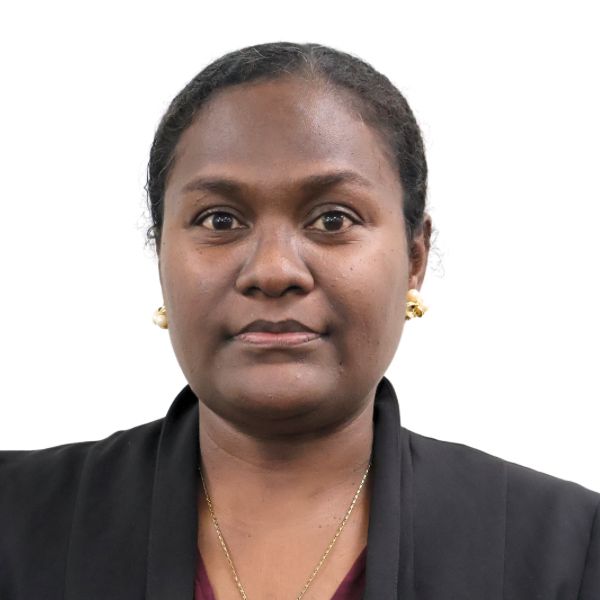
Focal Point:
- Mr. Lottie Vaisekavea, Permanent Secretary | Ministry of Traditional Governance, Peace and Ecclesiastical Affairs

Focal Point:
- Ms. Madolyin Yalu, Senior Desk Officer for the Asia and Africa Branch of the Ministry of Foreign Affairs and External Trade

Somalia
The Federal Republic of Somalia
                     Â
Capital: Mogadishu
Independence Day: July 01, 1960 Independence from United KingdomÂ
Official Languages: Somali and Arabic
Population: 19,009,151 (Estimated)
Form of Government: Federal Parliamentary Republic
Location: Somalia located in the Horn of Africa and borders with only Kenya to the southwest and Ethiopia to the west. Somalia has the longest coastline on mainland.

Focal Point:
- Mr. Liban obsiye, Executive Director of the National Climate Fund and Senior Adviser to the Minister of Finance

South Sudan
Republic of South Sudan
                     Â
Capital: Juba
Independence Day: July 9, 2011 Independence from Sudan
Official Language: English
Population: 11,943,408 (Estimated)
Form of Government: Presidential Republic
Location: South Sudan is a landlocked country and is located in East-Central Africa. It borders Uganda to the south, Ethiopia to the east, Kenya to the southeast, Sudan to the north, the Central African Republic to the west, and the Democratic Republic of the Congo to the southwest.

Focal Point:
- Mrs. Suzy Albert Yanga, Director General for Aid Coordination, Ministry of Finance and Planning Republic of South Sudan
- Mrs. Aluel Beda, Assistant Inspector for Aid Coordination, Ministry of Finance & Planning

Timor-Leste
Democratic Republic of Timor-Leste
                     Â
Capital: Dili
Independence Day: 20 May 2022 – Restoration of the independence from Indonesia
Official Languages: Tetum and Portugese
Population: 1,383,723 (Estimated)
Form of Government: Semi Presidential Republic
Location: Timor Leste is an island nation in the Eastern Lesser Sunda Islands, at the southern extreme of the Malay Archipelago in Southeast Asia. Timor Leste also has three small islands including Oecussi, Jaco, and Atauro. Australia is Timor Leste’s southern neighbor and shares a land border with Indonesia to the west.

Focal Point:
- Mr. Fonseca Pereira, Director for the National Directorate of International Organizations, Ministry of Foreign Affairs and Cooperation.

Togo
Togolese Republic
                     Â
Capital: Lomé
Independence Day: April 27, 1960 Independence day from France
Official Language: FrenchÂ
Population: 9,515,236 (Estimated)
Form of Government: Presidential Republic
Location: Togo is a West African country and borders Benin to the East and Ghana to the West, Burkina Faso to its north end Atlantic Ocean to its south

Focal Point:
- Mrs. Tchilalou AWESSOÂ Epse KONDO, Director of Multilateral Cooperation, Ministry of Planning and Cooperation
- Mr. Adjinako Kantou, Head of Cooperation Monitoring Section, WBG-IMF-ADB. Directorate General for Aid Mobilization and Partnership, Ministry of Development Planning and Cooperation

Yemen
Republic of Yemen
                     Â
Capital: Aden
Independence Day: November 30, 1967 –Â Declaration of Independence from the United Kingdom
Official Language: Arabic
Population: 40,583,164 (Estimated)
Form of Government: Presidential Republic
Location: Yemen situated in the Middle East at the south-western corner of the Arabian Peninsula in Western Asia. It is borders Saudi Arabia to the north and Oman to the east.

Focal Point:
- Mr. Shuaib Ali Abdullah Al-Zaghir, Deputy Minister, Ministry of Planning and International Cooperation of Republic of Yemen.